Most weeks at Malva begin the same way: coffee on the windowsill, rain on the glass and a roll of brown pattern paper spread across the cutting table. This October we followed a single run of Brita coats from paper to hanger, to show where the hours actually go.
Monday: chalk and calico
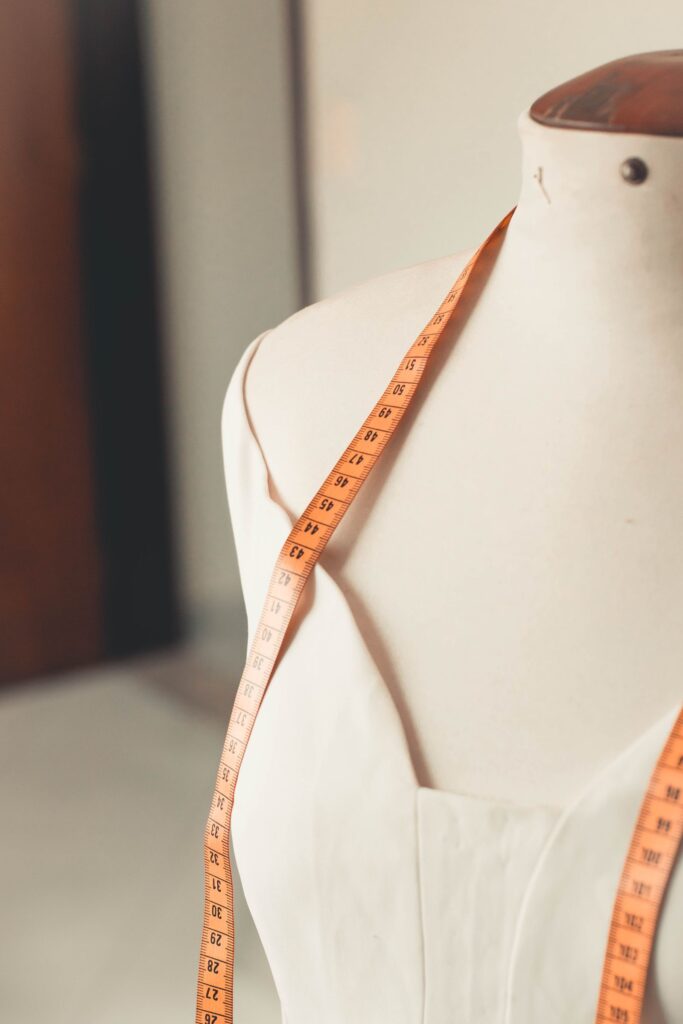
Every coat begins as a toile. The Brita pattern is traced onto calico, a plain undyed cotton, and sewn up roughly so it can be pinned, pulled and argued over on the dress form. This season the shoulder dropped by a centimetre and the pockets moved lower, so they sit where a hand falls naturally.
By late afternoon the toile is unpicked and every correction is chalked back onto the paper. The pattern that leaves the table on Monday is the one we cut from all week.
Tuesday: cutting the cloth
The camel wool arrives folded on long bolts from a mill we have worked with since our first winter. Before a single cut, it rests overnight on the table to relax, then gets checked under the window light for slubs and dye marks.
Cutting is slow on purpose. Each piece is placed by hand to follow the grain, and the offcuts are bagged and labelled with the style name. They go into the repair drawer, so that years from now a worn elbow can be patched in exactly the same cloth.
We cut every coat as if we will be the ones mending it in ten years. Usually, we are.
Ingrid Malvik, founder and pattern cutter
Wednesday: the long seams
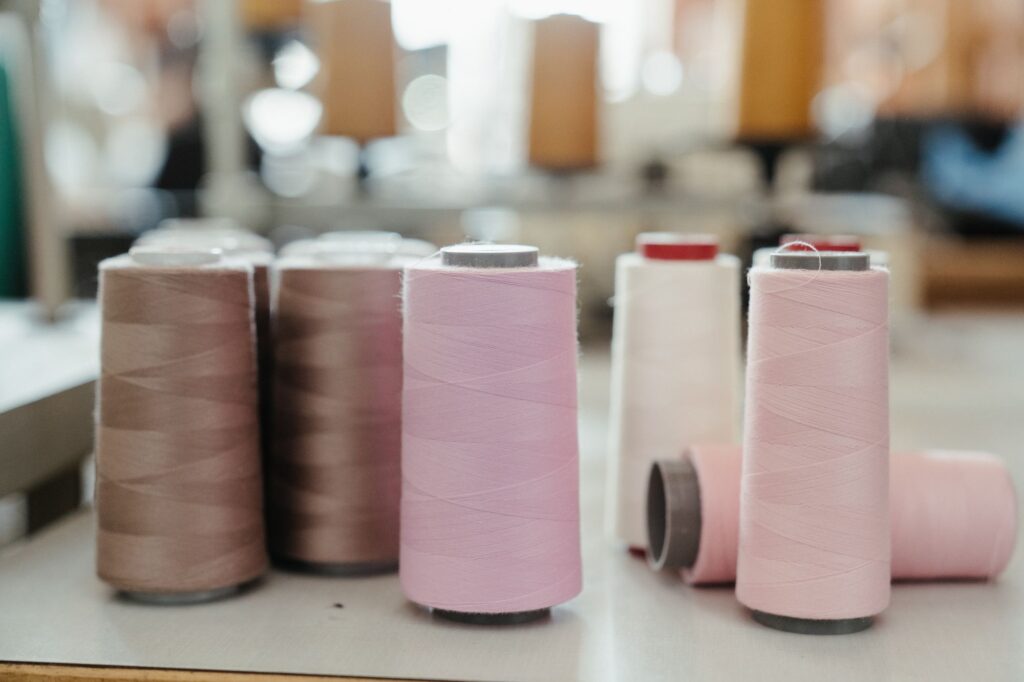
Midweek the workroom gets loud. Four machines run along the brick wall and the coats move between them in bundles: shoulders and side seams first, then sleeves, then the cupro lining, which breathes and slides over a knit without catching.
Some things stay by hand. The collar is shaped over a tailor’s ham and the hem is finished with a blind stitch, so nothing shows on the outside. It is the slowest part of the week, and the part nobody wants to rush.
Thursday: fittings
On Thursdays the workroom opens for fittings. A few customers book in to try a run before it goes live, and we watch how the coat moves on someone walking, sitting and reaching for a bag, rather than standing still on a form.
Small changes come out of these hours. This time a fitting showed the inside pocket sat too high for a phone, so it moved down two centimetres on every coat still on the table.
Friday: pressing and labels
The last day belongs to the iron. Each coat is pressed in sections under a damp cloth: seams first, then the body, then the collar rolled into shape. Steam sets the wool, and the coat finally looks like itself.
Then the labels go in: our name, the care notes and a small tag with the initials of whoever finished it. By evening the run hangs along the window, ready to be photographed, folded in tissue and sent out the following week.
If one of these coats comes back to us in years to come, frayed at a cuff or missing a button, we will know exactly whose hands it passed through. That is the point of making this way.