The studio has good software and a fast printer. The big table by the window is still covered in card offcuts, balsa and a scalpel or two.
We are not nostalgic about it. A rendered view can show a client almost anything, often too convincingly. A model shows them less, and that is its strength. A white card massing at 1:200 strips away the materials and the furniture and the flattering sky, and leaves only the question that matters early on: is this the right shape for this place?
Making the model is also a way of thinking. When you have to cut a roof from a single sheet, you find out quickly whether the geometry is honest. When a wall will not stand up on its own at 1:50, it usually means the plan has a problem too. The hands notice things the screen lets you ignore.
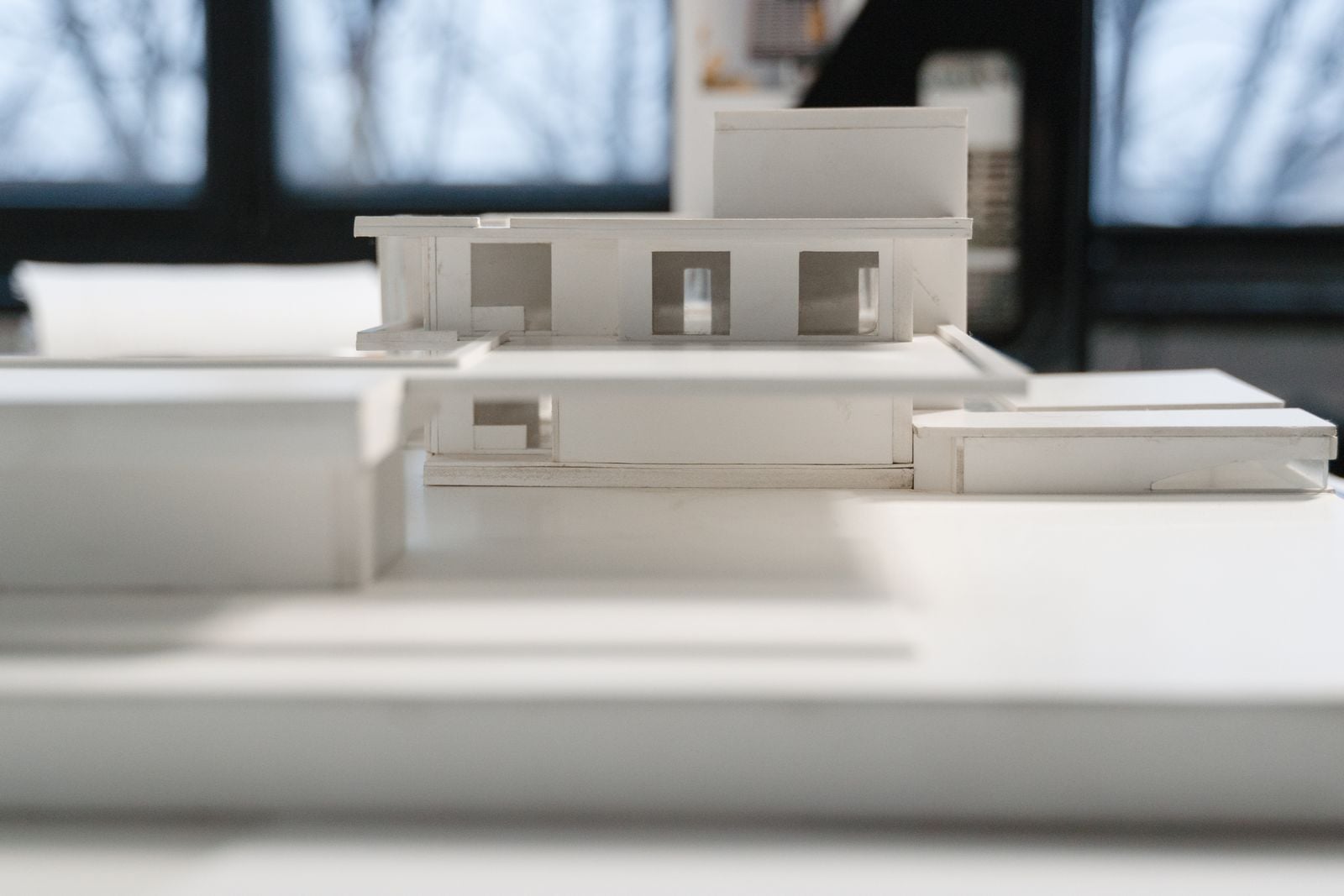
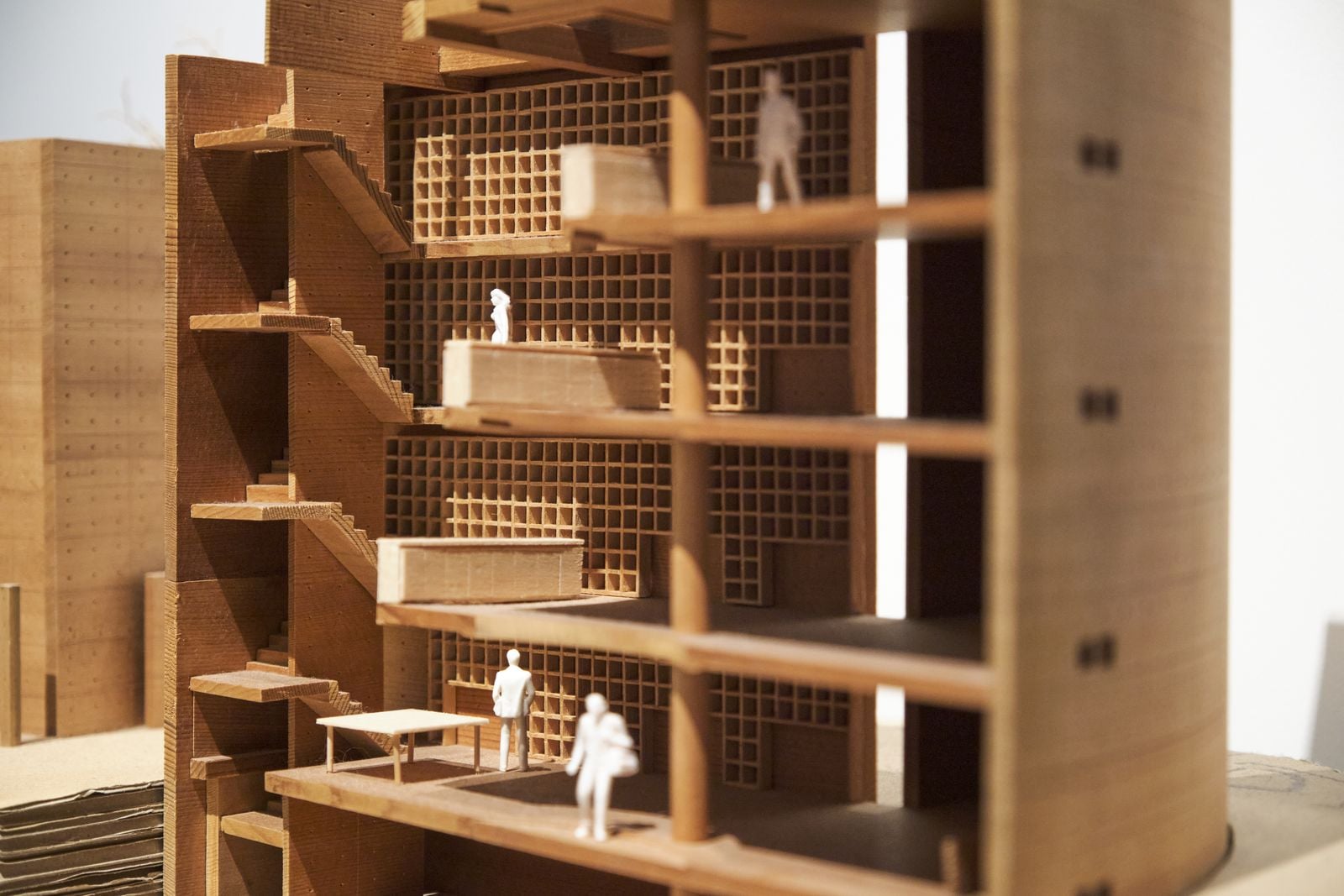
We work in three stages. Card massing models come first, quick and disposable, often three or four for the same site so the options sit side by side. Then a larger timber section model, cut through the main room, with tiny figures to give it scale. This is the one clients lean over, peering in at the window seat or the stair. Last, for the projects that need it, a detailed model in the real materials for the builder’s office.
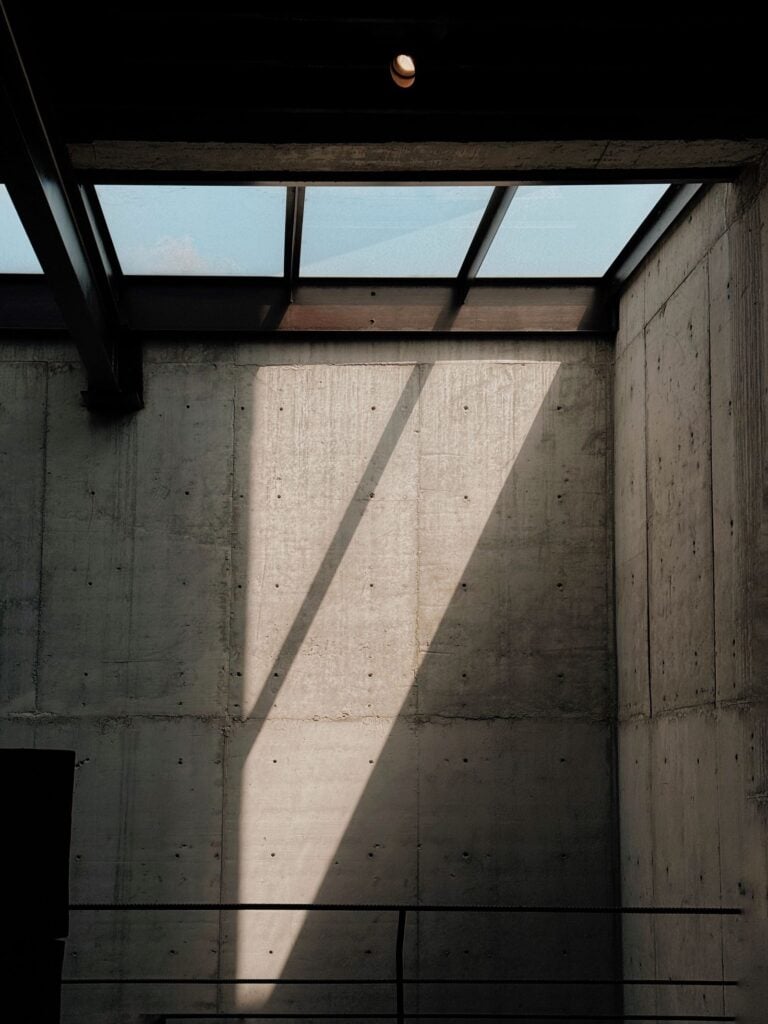
The section models do the most work. You can put a desk lamp low to one side and watch the winter light cross the floor, or turn the model to see where the evening sun lands. Clients understand a ceiling height far better from a cut model than from a dimension on a drawing.
Not everything survives. Most models are taken apart and their card reused. A few stay on the shelf above the drawing table, a slightly dusty record of how each building became itself.
Written by Jun Sato, project architect.